top of page



Language

Ngaphandle Kokungabaza Okunengqondo


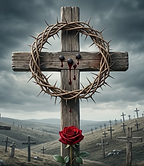


(1 John 2:6). Any voice teaching that His death granted permission to abandon the commandments of the Father is preaching anomia.
The concept of the Great Delusion (or strong delusion) appears in Paul’s second letter to the Thessalonians, describing a profound spiritual deception that characterizes the final period before the return of Messiah.
Far from being an unexpected ambush on unsuspecting seekers, Scripture frames this delusion as the direct, judicial outcome of a society that deliberately rejects the truth.
1. The Biblical Context (2 Thessalonians 2)
In 2 Thessalonians 2:9–12, Paul explains the mechanics of how the end-time deception takes root:
The Counterfeit Work: The arrival of the lawless one is accompanied by supernatural displays, counterfeit signs, and deceptive wonders designed to appeal to human senses.
The Underlying Cause: The deception succeeds specifically among those who perish because they refused to love the truth and be saved. They had access to the truth, recognized its demands, and actively chose unrighteousness instead.
The Divine Consequence: Because they despised the light, the Creator sends upon them a powerful, blinding influence so that they will fully commit to the falsehood they desire. The end result is that judgment falls upon those who took pleasure in lawlessness rather than the truth.
2. Judicial Hardening: A Consistent Biblical Pattern
The Great Delusion is not an isolated event; it represents the culmination of a recurring scriptural principle: when mankind persistently turns from divine revelation, God eventually ratifies their choice.
Pharaoh in Exodus: Pharaoh hardened his own heart through multiple warnings and plagues before the narrative records that the Lord confirmed his decision, cementing his stubbornness to demonstrate divine power and justice.
Israel’s Rebellious Prophets (1 Kings 22): When King Ahab continually despised true prophetic instruction and surrounded himself with sycophants, a lying spirit was permitted to lead him into the disaster he had already courted.
The Rejection of the Creator (Romans 1): Paul outlines how turning away from natural and revealed truth leads to being handed over to a depraved mind. When people exchange the truth of God for a lie, spiritual discernment evaporates.
3. What Constitutes "The Lie"?
In biblical thought, the delusion centers on replacing divine instruction with human autonomy:
Lawlessness (Anomia): The root of the deception is the belief that humanity can redefine morality, worship, and righteousness apart from the Father's eternal commands.
The Spirit of the Garden: The first lie in Genesis 3 suggested that obeying God's boundaries was restrictive and that true enlightenment comes from setting one's own terms for good and evil. The Great Delusion is the ultimate, global expression of that ancient falsehood.
Religious Counterfeits: It does not always appear as outright atheism; often, it manifests as religious form devoid of covenant obedience—calling on the Lord's name while rejecting His ways.
4. Protection Against the Delusion
The Scriptures provide a clear defense against being swept into this spiritual blindness:
Cultivating a Love for Truth: Intellectual knowledge is insufficient. Protection requires a genuine desire to walk in obedience, even when the truth demands personal cost, changes in lifestyle, or separation from popular tradition.
Testing Everything by the Standard: The prophet Isaiah declared, "To the law and to the testimony! If they do not speak according to this word, it is because there is no light in them" (Isaiah 8:20). Any teaching, miracle, or sign that points away from the Father's covenant instructions fails the test.
Walking in the Light Given: Light obeyed leads to greater clarity, while light ignored leads directly toward darkness.
The Connection: Anomia and the Strong Delusion
The "Great Delusion" of 2 Thessalonians 2 and the warning of Yeshua in Matthew 7:21–23 share the same root word and theological core: anomia (ἀνομία)—literally "without law," meaning a life lived detached from the Father’s Torah.
Matthew 7:21–23: Many will stand before Messiah citing their spiritual resumes, prophetic utterances, and supernatural acts done "in His name." Yet His verdict is decisive: "I never knew you; depart from Me, you who practice anomia (lawlessness)." Miracles and calling Him "Lord" do not substitute for doing the will of the Father.
2 Thessalonians 2:7–10: Paul calls the anti-messiah "the man of anomia" and refers to the hidden evil already at work as the "mystery of anomia." The supernatural signs, wonders, and counterfeit miracles accompanying him appeal directly to those who have abandoned the Father's commandments.
When a religious mindset accepts the premise that the Torah is abolished, it leaves believers without the foundational standard to discern the counterfeit from the true.
Website Article: Guarding Against the Great Delusion
Title: Guarding Against the Strong Delusion: Why "Anomia" Is the Heart of the Lie
Subtitle: Signs, wonders, and human tradition cannot replace the eternal instructions of Yehovah.
1. The Divine Test: Love for the Truth
In 2 Thessalonians 2:10–12, Scripture issues a sober warning: the strong delusion takes hold because men and women "did not receive the love of the truth, that they might be saved."
This delusion is not an arbitrary deception visited upon innocent seekers. It is a judicial consequence. When people repeatedly reject the clear light of Scripture in favor of comfortable religious tradition or moral autonomy, the Father steps back and permits them to be fully handed over to the lie they prefer.
2. The Nature of the Counterfeit
Many assume the end-time deception will arrive as blatant atheism or grotesque evil. Scripture teaches the exact opposite:
It arrives with power, signs, and lying wonders (2 Thessalonians 2:9).
It presents itself under religious titles, declaring "Lord, Lord" while actively discarding obedience (Matthew 7:21–22).
It promotes the ancient lie of Eden: that mankind can define righteousness, worship, and morality on human terms rather than the Father's terms.
3. The Biblical Standard: Isaiah 8:20
How do the saints avoid being swept away by persuasive signs and centuries of conditioning?
The Prophet Isaiah established the unchanging benchmark:
"To the law and to the testimony! If they do not speak according to this word, it is because there is no light in them." — Isaiah 8:20
If a teaching, a prophecy, a spiritual experience, or a pulpit tradition contradicts the Torah and the testimony of Messiah, it has no light. Yeshua walked in perfect Torah observance (1 John 2:6)
Any voice teaching that His death granted permission to abandon the commandments of the Father is preaching anomia.
4. The Patience of the Saints
In the Book of Revelation, the true remnant is never defined by institutional denomination, emotional fervor, or conformity to the crowd. They are identified by two inseparable markers:
"Here is the patience of the saints; here are those who keep the commandments of God and the faith of Yeshua." — Revelation 14:12
The only antidote to the strong delusion is to cultivate a relentless, humble love for the unfiltered Word—testing every dogma, stepping away from human tradition, and walking faithfully in the ancient paths of the Father.
bottom of page